Chapter 1. The Golden Era and the Secret Physical Toll
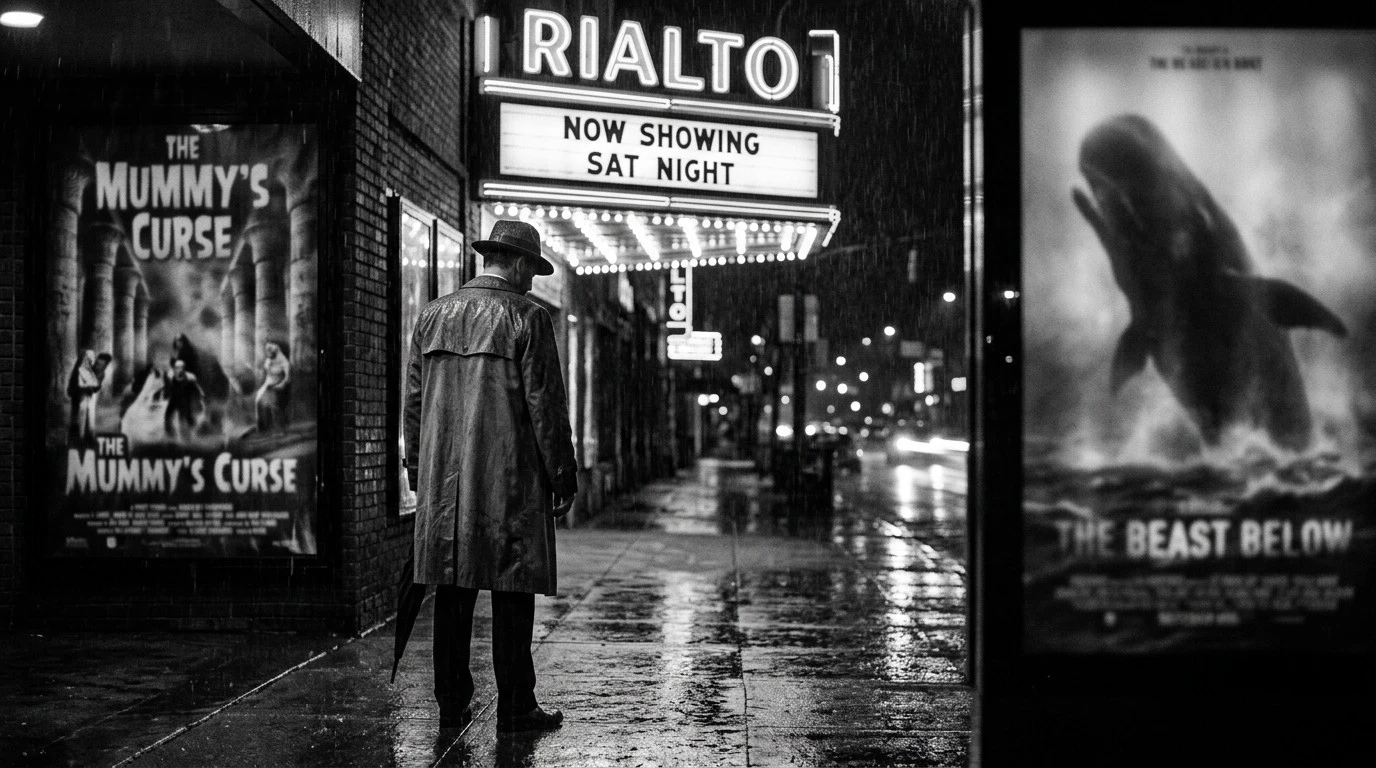
In the late 1990s, Brendan Fraser seemed virtually unstoppable. Armed with blue-eyed charismatic charm, impeccable comedic timing, and a towering 6’3″ frame, he seamlessly bridged the gap between slapstick comedy and heavy-budget action heroism. After breakout performances in Encino Man (1992) and George of the Jungle (1997), his career hit critical mass with the release of The Mummy in 1999. The film shattered box-office expectations, grossing over $400 million worldwide and solidifying Fraser as one of the most bankable leading men in global cinema.
Yet behind the iconic swagger of Rick O’Connell lay an agonizing reality that Fraser kept hidden from fans and studio executives alike.
Refusing to use stunt doubles for high-risk sequences, Fraser repeatedly subjected his body to extreme physical impact. During the filming of The Mummy, he was briefly choked unconscious during a hanging scene. On subsequent action blockbusters like The Mummy Returns and Tomb of the Dragon Emperor, he routinely performed with ice packs strapped beneath his wardrobe, relying on spinal injections and heavy taping just to survive a day on set.
By the late 2000s, the physical strain caught up with him. Over a agonizing seven-year stretch, Fraser underwent a grueling series of surgeries to repair his shattered frame, including:
- A lumbar laminectomy to relieve severe spinal pressure
- Multiple back procedures to stabilize injured vertebrae
- A partial knee replacement
- Surgical repair of damaged vocal cords
The man who once sprinted through burning desert ruins could barely walk without assistance, forcing him to turn down physically demanding roles and pull back from the industry that had broken him.
Chapter 2. Allegations, Exile, and Personal Crises
Physical devastation, however, was only the prelude to a deeper downfall. In 2003, during a private luncheon hosted by the Hollywood Foreign Press Association (HFPA) at the Beverly Hills Hotel, an incident took place that fundamentally altered the trajectory of Fraser’s life. Philip Berk, then-president of the HFPA—the powerful organization behind the Golden Globe Awards—allegedly groped and assaulted Fraser.
Overcome with shame and fear of public ridicule, Fraser initially kept quiet. When he finally demanded a formal apology and filed a grievance with the HFPA, the response was swift and icy. The organization conducted an internal review, ultimately framing the incident as a “joke,” and Berk remained a prominent figure within the industry for years afterward.
Almost overnight, the phone stopped ringing. Fraser found himself systematically frozen out of major studio productions, quietly blacklisted from the very ecosystem he had helped enrich.
"I felt like someone had sprayed invisible paint on me... I became depressed and reclusive."
— Brendan Fraser on his years of isolation
As his career evaporated, personal tragedy struck from all sides:
- Financial Ruin: A contentious, high-profile divorce in 2007 led to exorbitant alimony and child support payments based on his peak earnings, draining his life savings while he had virtually no income.
- Grief and Loss: In 2016, his beloved mother, Carol, passed away after a battle with cancer—just days before a live promotional interview for the show The Affair, where a visibly broken Fraser gave a tragic, somber performance that went viral for all the wrong reasons.
Isolated, broke, and struggling with profound clinical depression, Brendan Fraser retreated into near-total public exile for almost fifteen years.
Chapter 3. The Quiet Rebuilding and Darren Aronofsky’s Vision
While mainstream Hollywood had long forgotten Fraser, a small subculture of dedicated moviegoers never lost faith. In the late 2010s, subtle signs of a resurgence—dubbed the “Brenaissance” by fans on social media—began to take shape. Fraser took on modest, critically praised character roles in television series like Trust, The Affair, and voiced Robotman in DC’s Doom Patrol.
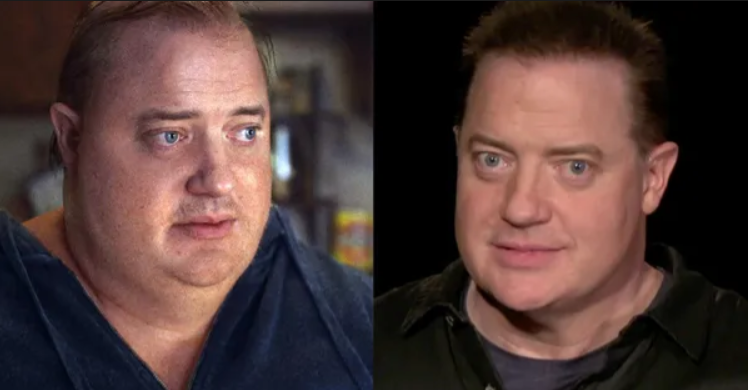
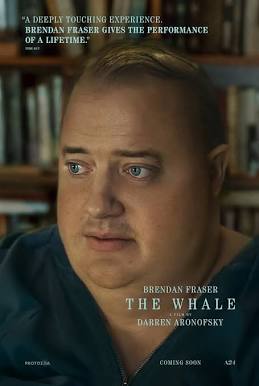
The true turning point arrived when director Darren Aronofsky (Requiem for a Dream, Black Swan) spent ten years searching for an actor to play Charlie—a reclusive, 600-pound English teacher seeking redemption and a final connection with his estranged teenage daughter in the film adaptation of The Whale.
After catching a clip of Fraser in a low-budget crime drama, Aronofsky invited him to a table read. Impressed by Fraser’s emotional depth, vulnerability, and utter lack of vanity, Aronofsky knew he had found his Charlie.
The role required Fraser to spend up to four hours a day in suit application, wearing a prosthetic suit weighing up to 300 pounds. Beyond the physical transformation, Fraser poured decades of personal pain, grief, and longing for acceptance into the performance.
Chapter 4. The Six-Minute Ovation and the Academy Award
The premiere of The Whale at the 2022 Venice International Film Festival marked one of the most emotional moments in modern cinematic history. As the final credits rolled, the audience rose to their feet, delivering a thunderous six-minute standing ovation. Caught on camera, a tearful Fraser tried to leave the stage out of modesty, only to be pushed back into the spotlight by Aronofsky as the crowd roared.
The momentum built steadily through award season:
- Critics’ Choice Award Winner: Best Actor
- Screen Actors Guild (SAG) Award Winner: Outstanding Performance by a Male Actor in a Leading Role
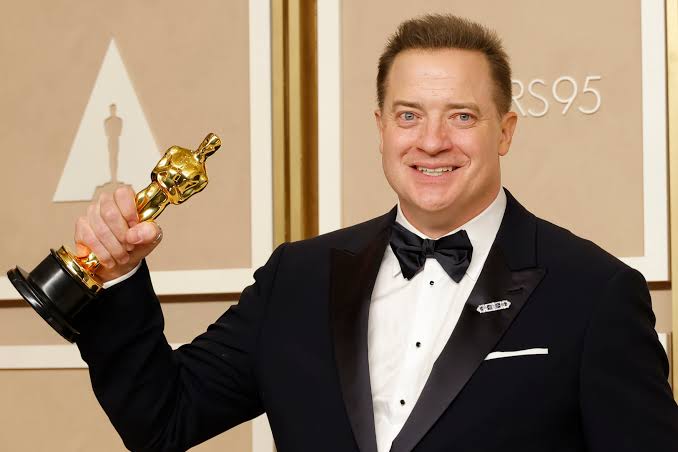
- Academy Award Winner (2023): Best Actor in a Leading Role
Walking up to the Oscars stage twenty-four years after The Mummy, an emotional Fraser accepted the trophy, delivering a speech that resonated with millions worldwide:
“I started in this business thirty years ago, and things didn’t come easy to me, but there was a facility that I didn’t appreciate until it stopped… I just want to say thank you for this acknowledgment. It’s been like a search expedition down to the bottom of the ocean, and the air on the line has come from some people in my life.”
Brendan Fraser’s story stands not merely as a Hollywood comeback story, but as a universal testament to human resilience—proof that no matter how far one falls, or how long they remain in the dark, redemption is always possible.
Original fictional stories. AI-assisted creative content.